Jamaican Food Dishes That Deserve More Attention
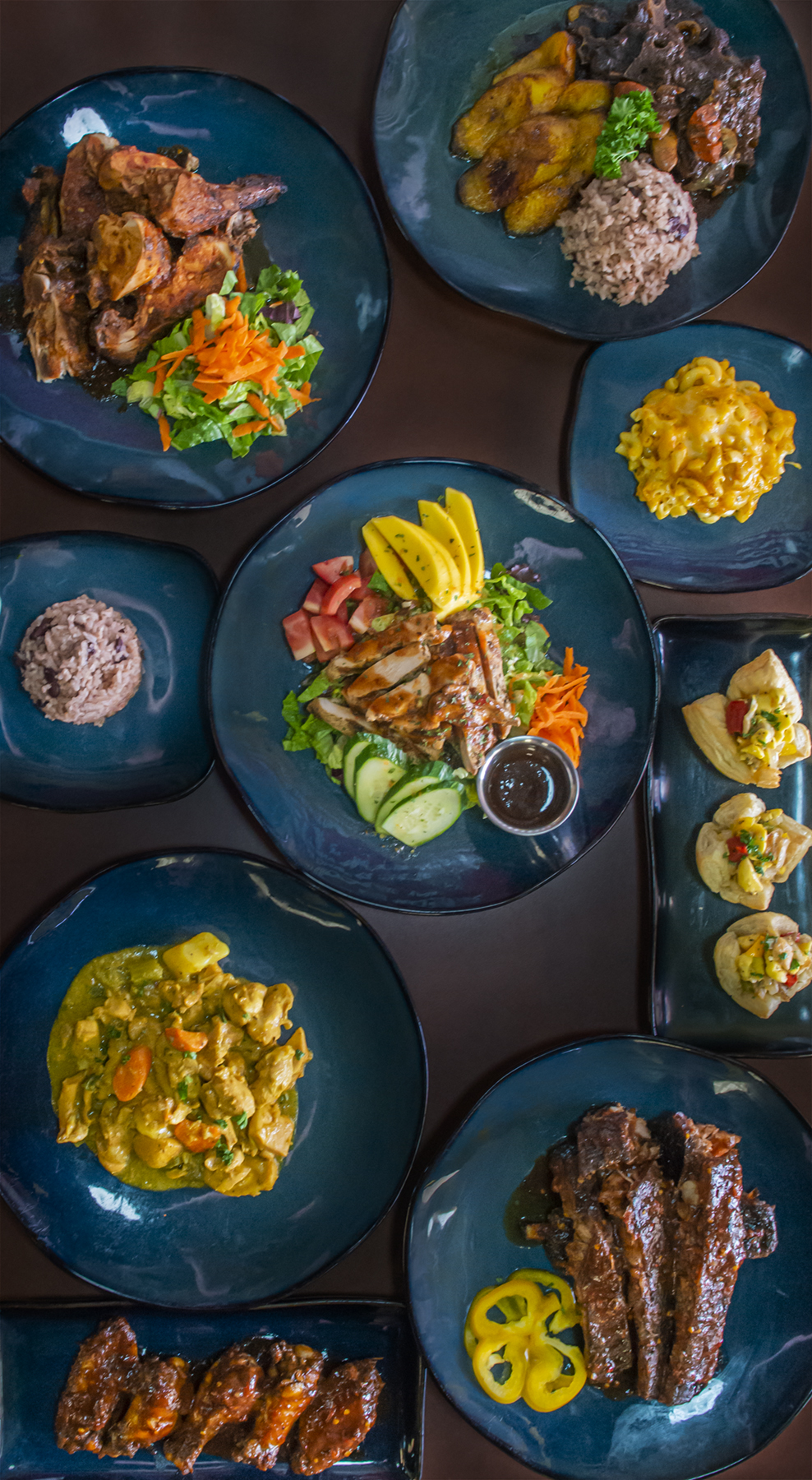
Mention Jamaican food in most places and the same small group of dishes usually comes up first: jerk chicken, patties, maybe ackee and saltfish if the audience knows a little more. Those classics deserve their reputation, but they also cast a long shadow. Jamaican cooking is broader, more regional, and more textural than the standard highlights suggest. It is a cuisine shaped by African technique, Indigenous ingredients, British colonial influence, Indian spices, Chinese migration, and the practical intelligence of cooks who knew how to make a little go far without making it feel like sacrifice.
That matters because some of the best Jamaican dishes are the ones that rarely make it onto export menus. They are the soups that take half a day and a patient hand. The ground provisions that fill the table without fuss. The braises, steamed dishes, and one-pot meals that reveal how Jamaican home cooking actually feels when you sit down to eat it. If you want to understand Jamaican food beyond the tourist shorthand, these are the dishes worth chasing.
Why the overlooked dishes matter
The famous dishes travel well. Jerk performs beautifully at a street stall, on a grill, at a festival, or on a social media feed. Patties fit in a paper bag and sell themselves. But many underappreciated Jamaican dishes depend on freshness, timing, and context. Some are best eaten as soon as they leave the pot. Others rely on ingredients that do not always appear in supermarkets outside the Caribbean, or they ask for a cook who understands by sight and smell when a broth has developed enough body, when a dumpling is fully cooked, or when a yam is sweet enough to carry the dish.
These are not glamorous skills, but they are the backbone of the cuisine. In practice, the less advertised side of Jamaican food often tells you more about family cooking than the famous plates do. You learn how cooks use pimento, thyme, scallion, Scotch bonnet, coconut milk, salted meat, fresh fish, cassava, green banana, pumpkin, and callaloo without making everything taste the same. You see the discipline behind seasoning. You notice how much attention goes into texture, not just heat. Jamaican food, at its best, is not simply spicy. It is layered, earthy, bright, smoky, creamy, and sometimes surprisingly delicate.
Mannish water, more than a punchline
Mannish water is often introduced with a grin, usually because people want to jump straight to its supposed restorative properties. That tends to flatten what is actually a serious and deeply traditional soup. At its core, mannish water is a goat soup, often made from the head, feet, tripe, and other parts that reward long simmering. It is aromatic, peppery, and rich with the flavor that only bone, collagen, and patient cooking can create.
A good bowl has depth without heaviness. The broth should be lively with thyme, scallion, black pepper, pimento, and just enough Scotch bonnet to warm the mouth rather than numb it. The better versions are clear in purpose, not muddy or greasy. This is where skill shows. Offal-based soups can turn muddy fast if rushed or handled carelessly. The best cooks know when to skim, when to hold back seasoning, and when to let the pot do the work.
Outside Jamaica, mannish water is still too often treated like a novelty. That is a mistake. If you care about regional food traditions, this dish deserves the same respect given to tripe stews in Italy or goat soups in West Africa. It is economical, celebratory, and technically demanding in ways people underestimate.
Rundown deserves far more love
Few dishes capture the elegance of Jamaican home cooking better than rundown, sometimes called run dung. The basic idea sounds almost too simple: fish simmered in seasoned coconut milk until the liquid cooks down and thickens around it. In practice, that reduction changes everything. The coconut milk moves from light and sweet to savory and concentrated. It picks up the fish, onion, tomato, thyme, scallion, and pepper, and turns them into something full and rounded rather than bluntly rich.
Mackerel rundown is common, especially in home kitchens, because salted mackerel brings its own intensity. Fresh fish versions can be even more nuanced. The trick is balance. Coconut milk can dominate if the cook is heavy-handed, and salted fish can easily tip into excess if not soaked and handled properly. But when the dish lands, it is memorable for the way it coats a piece of boiled green banana or yam. The starch gives the sauce structure on the palate. Every bite feels complete.
This is one of those dishes that explains Jamaican food more truthfully than the usual restaurant staples. It shows how the cuisine can be lush without being ornate. It also shows a comfort with salt, fat, and aromatics that comes from experience rather than recipe dependency.
Pepper pot soup and the discipline of greens
Pepper pot soup does not always get the attention it merits because the name is shared across parts of the Caribbean and can mean different things depending on the island. In the Jamaican context, what matters is the generous use of callaloo or other greens, combined with okra, coconut milk in some versions, and meat or seafood depending on the household. The result is deeply savory and slightly slippery in that okra-rich way that divides people until they have a truly good version.
A well-made pepper pot should not taste grassy or one-note. The greens need enough cooking to mellow but not enough to lose character. The pepper must lift the dish, not bully it. Often, the beauty lies in the way different textures meet: soft greens, tender meat, thickened broth, maybe a dumpling or ground provision nearby. It is one of those dishes that rewards a serious appetite and punishes half-hearted cooking.
I have seen pepper pot served in homes where the cook treated the pot almost like a living thing, adjusting heat, thinning with a little extra liquid, tasting for salt, then giving it one final rest before serving. That pause matters. Many Jamaican soups and stews improve in the minutes after cooking, when the ingredients settle into one another. Pepper pot is a strong example.
Stew peas is not just a side story
Stew peas is one of the great Caribbean comfort dishes, and it still gets sidelined too often by diners who assume a dish with “peas” in the name must be modest. In Jamaica, “peas” usually means beans, often red kidney beans in this case, simmered with salted beef, pig’s tail, or both, then enriched with coconut milk, herbs, and spinners, those hand-rolled flour dumplings that thicken the pot and soak up flavor.
The first thing to understand is that stew peas is not trying to be dainty. It is dark, full-bodied, and satisfying in a serious way. The salted meat seasons the beans from within. The coconut milk rounds the edges. The beans break down just enough to give the sauce body while still keeping their identity. The dumplings are not decorative. They are structural, almost like edible sponges for all that seasoning.
Bad versions feel heavy, salty, or flat. Good versions have movement. You taste the bean liquor, then the smoke and salinity from the meat, then the herbal top note from thyme and scallion. Rice turns it into a feast, but even on its own, stew peas is one of the clearest arguments that Jamaican food should never be reduced to grills and fried snacks.
Cow foot, deeply traditional and often misunderstood
Cow foot suffers from image problems. People either love it because they grew up with it, or they reject it before the plate lands because gelatin-rich cuts intimidate them. That is unfortunate, because a good cow foot stew is one of the most skillful dishes in the Jamaican repertoire.
This is cooking that depends on transformation. The foot starts tough and awkward. Given enough time, it turns silky, sticky, and deeply flavored. The sauce, often darkened with browning and built with onion, garlic, thyme, pepper, and broad beans or butter beans, clings to every fold. The collagen enriches the entire pot in a way you cannot fake with shortcuts.
Texture is the whole conversation here. If you dislike soft, gelatinous cuts, cow foot may never become your favorite. But that does not make it less important. Some of the world’s most revered dishes are built around textures that outsiders need time to appreciate. Jamaican food is no exception. Cow foot rewards patience, and it shows how traditional cooks waste very little while producing something luxurious on its own terms.
Stamp and go, the fritter that deserves to be taken seriously
Saltfish fritters, often called stamp and go, are easy to dismiss as casual snacks. That is partly because they are so common, and partly because they look straightforward. But there is a difference between a forgettable saltfish fritter and one that makes you reach for another before the first is gone.
The batter should be seasoned all the way through, not just carrying bits of saltfish like an afterthought. The fish should be present in every bite, along with scallion, thyme, black pepper, and sometimes a touch of Scotch bonnet. The outside needs crisp edges. The inside should stay tender, not doughy or oily. This balance is harder than it sounds, especially in a busy kitchen where oil temperature drifts.
At their best, stamp and go sit in the same category as excellent accras or hush puppies: humble food made exacting by repetition and care. They also reveal something central about Jamaican eating habits. Not every memorable dish is a large plate. Some are made for the corner bakery, the roadside stop, or the kitchen counter while dinner finishes.
Escovitch fish is famous, but bammy beside it deserves its due
Escovitch fish gets attention, and rightly so. Crisp fried fish under a sharp, pickled tangle of carrots, onion, and Scotch bonnet is hard to resist. Yet the bammy that often accompanies it deserves more respect than it gets. Made from cassava, bammy is one of the clearest links between modern Jamaican food and the island’s Indigenous Taíno heritage.
A good bammy has a faint sourness from fermentation, a substantial chew, and enough structure to absorb juices without dissolving. Traditionally, it may be soaked lightly in milk or water, then fried or steamed. With escovitch fish, it acts almost like a mediator. It softens the vinegar bite, catches the peppery juices, and gives the plate an earthy base that plain bread or rice could never provide.
When bammy is poor, it can be dry and forgettable. When it is fresh and properly finished, it quietly steals the plate. Many visitors remember the fish and forget the cassava cake beneath the experience. That is a shame. Bammy is one of the most distinctive starches in Jamaican food, and it deserves to be recognized as more than a supporting actor.
Gungo peas soup, seasonal and quietly excellent
Gungo peas, known elsewhere as pigeon peas, appear in several Jamaican dishes, but the soup rarely gets the spotlight outside family tables and local cookshops. It should. Good gungo peas soup carries a nutty, earthy flavor that differs from red peas or split peas. Add pumpkin, thyme, garlic, scallion, dumplings, maybe a piece of salted meat, and you get a bowl that feels both practical and generous.
Fresh gungo peas, when in season, make a real difference. They have a brighter, greener character that canned or dried peas cannot quite duplicate. But even preserved versions can produce an excellent pot if the cook understands proportion. Pumpkin must sweeten the broth without turning it sugary. Dumplings should lighten the meal, not smother it. Pepper should animate, not dominate.
Jamaican soups often function as meals rather than starters, and that is worth remembering if you come from a dining culture that treats soup as a prelude. Gungo peas soup is a perfect example. Serve it at midday and no one will ask what is next.
Tickle me fast, simple food with personality
Tickle me fast is not widely known outside Jamaica, and even on the island it can be overshadowed by bolder or more ceremonial dishes. Usually made from salted mackerel sautéed with onion, tomato, and seasonings, then combined with cooked starches such as green banana or breadfruit, it sits in that satisfying category of meals built from pantry intelligence and sharp seasoning.
The appeal is not complexity for its own sake. It is the combination of saltfish-style savoriness with hearty starch that has enough texture to hold up. Breadfruit works especially well because its interior stays fluffy while its surface takes on the seasoning. Green banana brings a firmer, slightly tannic note. The dish can read as breakfast, lunch, or dinner depending on the household, which is often the mark of a reliable classic.
Dishes like tickle me fast rarely win beauty contests, but they matter because they reflect how people actually cook for themselves. They are flexible, rooted in available ingredients, and built around flavor rather than prestige.
Duckunoo and the sweet side of Jamaican food
Jamaican food conversations often skew savory, which leaves some remarkable sweets in the background. Duckunoo, also called blue drawers in some households, deserves more attention. It is a dense, steamed pudding made with grated sweet potato, green banana, cornmeal or flour in some versions, coconut, spices, raisins, and brown sugar, wrapped traditionally in banana leaves.
What makes duckunoo special is not just the ingredient list. It is the aroma from the leaf, the moist but firm texture, and the way the spices settle into the starches over time. This is not a flashy dessert. It is deeper and more rooted than that. The sweetness is often restrained compared with commercial cakes and pastries, which allows the nutmeg, cinnamon, vanilla, and molasses notes to register properly.
Traditional sweets like this can be vulnerable to disappearance because they are labor-intensive and tied to older cooking patterns. They do not fit neatly into every modern bakery case. But they carry memory in a way mass-produced desserts rarely do. If you care about preserving the range of Jamaican food, sweets like duckunoo belong in the conversation.
Where to look if you want the real thing
If you want these dishes at their best, the search matters almost as much as the appetite. Large restaurants often streamline menus toward what sells fastest, which usually means the famous crowd-pleasers. The more overlooked dishes tend to live in smaller cookshops, family-run takeout spots, church events, community gatherings, and homes. That is true in Jamaica and across the diaspora.
A few practical cues help. Menus with a long list of glossy crowd favorites but no soups, no ground provisions, and no daily specials may not be the place to find nuanced traditional cooking. Places that sell out of one or two dishes early often know exactly what they are doing. Weekend menus can be stronger than weekday menus, especially for soups and slow braises. Ask questions, but ask them with respect. A cook who hears genuine interest is often willing to explain what is freshest or what took the longest to prepare.
If you cook at home, start with one dish that teaches technique rather than chasing spectacle. Rundown will teach reduction and balance. Stew peas will teach layering and patience. Cow foot will teach time. Pepper pot will teach restraint with greens and spice. Jamaican food rewards repetition. The first attempt may be good. The fifth is usually where understanding begins.
The bigger picture behind the plate
What these dishes share is not obscurity for its own sake. They share depth, economy, and a confidence that does not need https://jasperzsmi887.tearosediner.net/why-homemade-jamaican-food-tastes-so-special marketing. They come from kitchens where flavor is built with intention and where ingredients are respected for what they can become under steady hands. That is the part of Jamaican food too many people miss when they focus only on the most exportable dishes.
There is also a lesson here about how cuisines travel. The foods that become famous abroad are not always the foods that best represent daily life at home. Sometimes they are simply the easiest to package, sell, or explain. The richer story lives in the dishes that need context, time, and a willing eater. Jamaica has plenty of those.
If your experience of Jamaican food begins and ends with jerk, patties, and rum cake, you have only met the loudest voices in the room. The quieter dishes, the soups, the braises, the coconut stews, the cassava sides, the salted fish breakfasts, often carry the deeper authority. They are less performative and more revealing. And once you know them, the cuisine feels larger, older, and far more impressive than the greatest-hits version ever suggests.
Reggae Pot Jamaican Grill
7562 S University Blvd C, Centennial, CO 80122
(303) 997-5623
FAQ About jamaican food
What is the best Jamaican food to try in Centennial?
The best choice depends on your preferences. Reggae Pot Jamaican Grill offers jerk chicken, curry goat, oxtail, and escovitch snapper, along with sides such as rice and peas and fried plantains. Ask the restaurant about current availability and spice levels before ordering.
Is Jamaican food very spicy in Centennial?
Heat varies by dish and preparation. Jerk dishes can be hot, while some stews and sides are milder. Tell the restaurant your preferred heat level and ask which options suit you.
What is typically on a Jamaican menu?
Common choices include jerk chicken, curries, oxtail, fish, patties, rice and peas, and plantains. Reggae Pot also lists ackee and saltfish and vegetable dishes. Menus and availability can change, so confirm your choices when ordering.